
Hangxiety: why you feel anxious after drinking, and when it’s a sign of something bigger
After a client dinner in the Sydney CBD, you wake before your alarm and reach for your phone. Nobody who was there has messaged, but you read the group chat anyway, looking for a clue about how you came across. By the time you get out of bed, a conversation you barely remember feels like the most urgent item on your calendar.
That uneasy feeling the morning after drinking is often called hangxiety: anxiety that comes with a hangover. It can feel physical, like shakiness or a restless, wired sensation, or it can show up as dread about an evening that seemed perfectly ordinary at the time. It can pass as the hangover lifts. When it keeps happening, follows a reduction in regular heavy drinking, or spills into days when you haven’t been drinking, it’s worth a closer look.
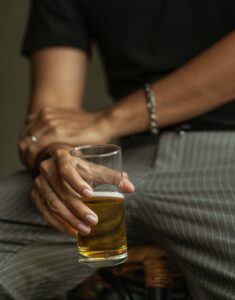
Why the morning can feel so different
Alcohol can make a noisy room easier to be in. A conversation that felt like work when you arrived can start to feel effortless. As the effects wear off, your nervous system can leave you feeling more on edge. The contrast can be especially uncomfortable if you were already tense going into the evening and relied on a drink to feel at ease.
When anxiety and drinking have started to feed each other, Sydney Detox and Rehab offers support for anxiety and chronic stress that looks at the substance use and the emotional side together.
Alcohol can also make you drowsy at first, then leave you sleeping more lightly or waking more often later in the night. You might have been in bed long enough and still feel as though you’ve barely slept. Add nausea or a headache, and an ordinary worry can be much harder to put aside. Anxiety can be part of a hangover even when there’s no embarrassing incident to explain it.
A patchy memory leaves room for worry of its own. You remember the waiter arriving with a new bottle, then being in the back of a car. If you find yourself filling the gap with the worst version of the evening, give yourself time to get clearer about what you actually remember. If there’s a specific issue to check, a simple conversation once you’re steadier may tell you more than another scroll through your messages. Repeated memory gaps after drinking are worth raising with your GP in their own right.
What helps when it’s happening
For an ordinary hangover, make the morning a little less demanding where you can. Drink water, eat something simple if you’re able to, and rest. Those things may help you feel more comfortable while the hangover passes. A hangover can linger after the alcohol has cleared. Avoid using another drink to get through the morning, as it can prolong the hangover.
If there’s a difficult email you can reasonably leave until midday, leave it. If you need to say something now, keep it factual and brief. When you feel able to face the day, do the first ordinary thing it actually asks of you. You can deal with the rest when you’re thinking more clearly.
If you have to get across town, feeling more alert after a shower or coffee tells you little about whether you can drive safely. You may still have alcohol in your system, and a hangover can affect attention and reaction time on its own. If you’re unsure or feel impaired, arrange a lift, use public transport or postpone the trip.
When “hangxiety” might be withdrawal
Think about your usual drinking, as well as how much you drank last night. Alcohol withdrawal can occur when someone who has been drinking heavily and regularly cuts down or stops. A hangover and withdrawal can both involve anxiety, shakiness and poor sleep. The overlap is wide enough that judging by a single symptom, or waiting to see if it goes away, can give you the wrong answer.
If you often wake shaky, sweaty or very anxious when you’ve gone longer than usual without alcohol, get medical advice promptly. Tell the doctor if you’ve had a drink to settle the symptoms or have had withdrawal before. If you may be physically dependent, speak to a doctor before abruptly cutting down or stopping. Withdrawal can be dangerous, and the doctor can help assess the safest way to make a change.
Call triple zero (000) for an ambulance if a person who has recently reduced or stopped heavy drinking has a seizure, is severely confused or starts seeing or hearing things that aren’t there. Those symptoms need emergency care.
Notice what keeps happening
When the anxiety keeps coming back, the useful question is when it shows up. Is it mainly the day after you drink more than usual? Do you also feel it the morning after an ordinary night, or on days you haven’t been drinking? If you already worry about speaking in meetings or seeing people socially, consider whether drinking is getting you through the evening and leaving the same fear waiting for you the next day. Alcohol may be part of the picture even when the anxiety has other causes.
If your drinking is occasional and you have no signs of dependence, you might decide to drink less at the next dinner or choose something alcohol-free. Notice how you sleep and how you feel the next morning. At a long dinner where someone keeps topping up your wine, it can be surprisingly hard to keep track. In Australia, a standard drink contains 10 grams of alcohol. A 150 mL glass of wine at 13% alcohol is about one and a half standard drinks. The Australian alcohol guidelines explain how to count them and why lower intake means lower risk.
Pay attention to what the anxiety costs you. You may be changing Saturday plans because you know how Friday will end. You may be going into an afternoon presentation exhausted, or reaching for a drink that evening to feel normal again. That’s useful information, even if you can’t yet say exactly why it’s happening.

If you’re organising the next work dinner, you have a little more room to shape the evening. Decide in advance what you want to drink and when you’d like to leave. An early start is all the explanation a colleague needs. Where someone is always offering to refill your glass, ordering your own drink or switching to sparkling water before the next round can make it easier to stick to what you decided. If your plan keeps falling away as the evening goes on, that’s something to talk about with your GP.
Make the next conversation easier
If the anxiety is recurring, severe or getting in the way of work or relationships, take the pattern to your GP. You could begin with, “I feel dread or panic the morning after I drink, and lately it’s been affecting how I get through the day.” Tell them how often you’ve been drinking, roughly how much, when the symptoms begin, and whether you feel anxious when alcohol isn’t involved. A GP can assess both concerns and talk with you about possible next steps.
If you live in NSW and would rather start with an independent conversation, you can call the Alcohol and Other Drugs Information Service on 1800 250 015 at any hour. If you’re already looking into structured support, you can also read about alcohol dependence and treatment.
You’ve probably spent enough mornings trying to work out what everyone else thought of the evening. When you talk to someone about it, start with what the morning feels like to you. That’s the part they can help you understand.